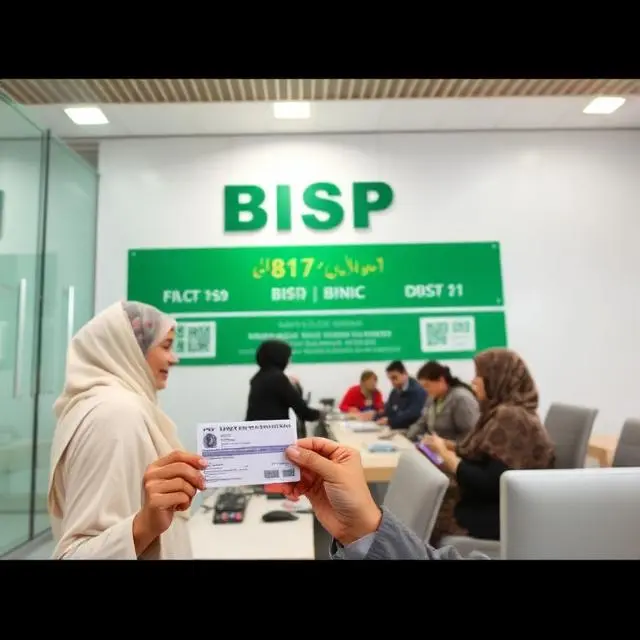
Many people mistakenly believe that registration is fully online. In reality, the registration process involves verification through official government channels and the National Socio-Economic Registry (NSER) survey. Understanding the correct procedure is essential because incomplete or incorrect registration may delay approval or result in rejection.
This comprehensive guide explains everything you need to know about BISP 8171 registration in 2026, including eligibility requirements, necessary documents, registration steps, verification procedures, common mistakes, and solutions to registration problems.
What is BISP 8171?
The Benazir Income Support Programme was established to provide financial assistance to low-income families across Pakistan. The program focuses on reducing poverty and helping vulnerable households meet essential expenses such as food, healthcare, and education.
The 8171 service acts as the official verification and information system for beneficiaries. Through this platform, applicants can check eligibility, verify registration status, and receive updates regarding payments and assistance programs.
The program has expanded significantly over the years and now supports millions of beneficiaries throughout the country.
Why Registration is Important
Without proper registration:
- Eligibility cannot be assessed.
- Household information cannot be verified.
- Payments cannot be approved.
- Applicants cannot receive program benefits.
Completing the registration process correctly improves the chances of successful approval and timely assistance.
Who Can Register for BISP 8171?
The program is intended for families facing financial difficulties and economic hardship.
Potential applicants may include:
- Low-income households
- Widows
- Unemployed individuals
- Persons with disabilities
- Female-headed households
- Vulnerable families
- Economically disadvantaged citizens
However, meeting these conditions does not automatically guarantee approval. Final eligibility is determined through official verification procedures.
Understanding the NSER Survey
The National Socio-Economic Registry (NSER) survey is one of the most important components of the registration process.
The survey collects detailed information about:
- Household income
- Family size
- Employment status
- Educational background
- Housing conditions
- Utility access
- Asset ownership
Government authorities use this information to determine whether a family qualifies for financial assistance.
Applicants who are not included in the NSER database may need to complete a new survey before becoming eligible.
Benefits of Completing Registration
Successful registration provides access to several advantages.
Financial Support
Eligible families may receive periodic cash assistance.
Better Economic Stability
Support helps households manage daily expenses.
Educational Benefits
Certain programs offer educational stipends for children.
Women’s Empowerment
Many benefits are directed toward female beneficiaries.
Access to Government Welfare Programs
Registration may improve access to additional social support initiatives.
These benefits make registration highly valuable for deserving families.
Documents Required for BISP Registration
Applicants should prepare the necessary documents before visiting a registration center.
Original CNIC
A valid Computerized National Identity Card is required.
Family Information
Applicants should provide accurate household details.
Mobile Number
A working mobile number is important for receiving updates.
Children’s B-Forms
These may be required for education-related assistance programs.
Supporting Documents
Additional documents may be requested depending on individual circumstances.
Providing complete documentation helps reduce delays during processing.
How to Register for BISP 8171
The registration process involves several important steps.
Step 1: Visit the Nearest BISP Registration Center
Applicants should visit an authorized BISP office or registration center.
Officials will guide applicants through the registration procedure and explain the required documentation.
Step 2: Present Required Documents
Applicants must provide:
- Original CNIC
- Household information
- Mobile number
- Additional documents if required
Officials will review the information before proceeding.
Step 3: Complete the NSER Survey
The NSER survey collects socio-economic information about the household.
Questions may cover:
- Income sources
- Family size
- Employment status
- Living conditions
- Educational information
Providing accurate answers is extremely important.
Step 4: Data Verification
After survey completion, authorities verify the submitted information.
This verification process helps ensure that assistance reaches deserving households.
Step 5: Receive Confirmation
Once verification is complete, applicants may receive updates through official channels regarding their registration status.
Successful registration does not necessarily mean immediate approval because eligibility assessment still takes place.
How Long Does Registration Take?
Processing times vary depending on several factors.
These factors include:
- Verification requirements
- Survey completion status
- Database updates
- Application volume
Some applications are processed quickly, while others may require additional review.
Applicants should remain patient and monitor their status through official channels.
How to Check Registration Status
After registering, applicants can verify their status using the 8171 system.
Online Method
- Visit the official portal.
- Enter your CNIC number.
- Complete verification.
- Submit your information.
- View your status.
SMS Method
- Open your messaging application.
- Enter your CNIC number.
- Send it to 8171.
- Wait for the response.
The system will provide information regarding registration and eligibility status.
Common Registration Mistakes
Many applicants unintentionally create problems during registration.
Avoid the following mistakes:
Providing Incorrect Information
Errors can delay verification.
Using Expired CNICs
Ensure your identification documents remain valid.
Missing Survey Appointments
Failure to attend required surveys may affect processing.
Incomplete Documentation
Bring all required documents.
Providing False Information
Inaccurate information may result in rejection.
Avoiding these mistakes significantly improves registration success.
Why Accurate Information Matters
The verification process relies heavily on the information provided by applicants.
Accurate information helps:
- Speed up approval
- Prevent verification issues
- Improve transparency
- Reduce processing delays
- Ensure fair eligibility assessments
Always review information carefully before submission.
What Happens After Registration?
After registration, authorities begin reviewing the applicant’s information.
The process may include:
Database Verification
Information is compared with official records.
Eligibility Assessment
Socio-economic conditions are evaluated.
Poverty Score Analysis
Household data contributes to poverty score calculations.
Final Decision
Applicants are approved, rejected, or placed under additional review.
This process ensures that benefits reach deserving families.
Common Reasons Registration Applications Are Delayed
Several factors can slow processing.
Missing Information
Incomplete applications often require additional review.
Verification Issues
Data inconsistencies may trigger investigations.
Outdated Records
Old information can create complications.
Survey Problems
Unfinished surveys may delay approval.
High Application Volumes
Large numbers of applicants can increase processing times.
Understanding these factors helps applicants remain informed during the process.
Registration for Widows
Widows may qualify for special consideration under the program.
Authorities may evaluate:
- Financial condition
- Number of dependents
- Household income
- Available support systems
Supporting documentation may be required during registration.
Registration for Persons with Disabilities
Applicants with disabilities may also qualify depending on their circumstances.
Factors considered may include:
- Economic status
- Household conditions
- Disability documentation
- Dependency needs
Additional verification may be required.
Female Beneficiary Registration
Women play a central role in many BISP assistance programs.
The program often prioritizes female beneficiaries because they are more likely to direct financial assistance toward household welfare and children’s needs.
Female applicants should ensure that all personal information remains accurate and up to date.
How Registration Helps Reduce Poverty
BISP registration contributes to poverty reduction by connecting deserving households with financial support.
Benefits include:
Improved Food Security
Families can better afford essential groceries.
Educational Opportunities
Children gain improved access to schooling.
Healthcare Access
Financial support helps cover medical expenses.
Economic Stability
Households become more resilient during financial hardship.
These benefits demonstrate the importance of proper registration.
Digital Transformation of BISP Registration
Technology has improved many aspects of the registration process.
Digital advancements provide:
- Faster verification
- Improved transparency
- Better record management
- Enhanced fraud prevention
- Easier access to information
As digital systems continue to evolve, registration processes are expected to become even more efficient.
Future Improvements in Registration Services
The government continues working to improve welfare delivery systems.
Possible future developments include:
- Faster application processing
- Enhanced online services
- Better database integration
- Improved verification methods
- Increased accessibility for rural communities
These improvements aim to provide better service to applicants across Pakistan.
Frequently Asked Questions
Can I register for BISP completely online?
Registration generally requires participation in official verification and survey procedures.
What documents are required?
Applicants typically need a valid CNIC, household information, mobile number, and supporting documents if requested.
How can I check registration status?
You can use the 8171 portal or SMS service.
Does registration guarantee approval?
No. Eligibility is determined after verification and assessment.
What should I do if my application is delayed?
Review your information and contact the nearest BISP office for assistance.
Why is the NSER survey important?
The survey helps authorities evaluate financial need and determine eligibility.
Conclusion
The BISP 8171 Registration Process in 2026 remains the gateway to financial assistance for millions of deserving Pakistani families. Successful registration requires accurate information, participation in the NSER survey, proper documentation, and cooperation during verification procedures.
Applicants should ensure that all records remain current, follow official instructions carefully, and regularly monitor their status through the 8171 system. By completing the registration process correctly, eligible households can improve their chances of receiving valuable financial support and accessing additional welfare opportunities provided through the Benazir Income Support Programme.