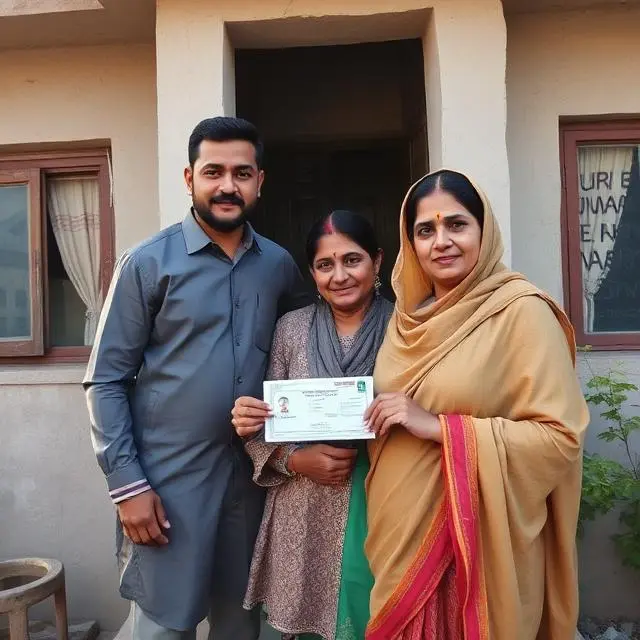
The Benazir Income Support Programme (BISP) is one of Pakistan’s most important social welfare initiatives. It was established to provide financial assistance to low-income families struggling with rising living costs and economic challenges. Millions of households benefit from BISP every year through various programs, including the Benazir Kafalat Program and educational support initiatives.
One of the most common questions people ask is whether they qualify for financial assistance under the BISP 8171 program. Understanding the eligibility criteria is extremely important because approval depends on several socio-economic factors rather than a simple application process.
This comprehensive guide explains the latest BISP 8171 eligibility criteria for 2026, registration requirements, verification methods, common disqualification reasons, and steps to improve your chances of approval.
What is BISP 8171?
The Benazir Income Support Programme is a government-funded initiative that provides financial support to deserving families across Pakistan. The objective is to reduce poverty, improve living conditions, and support vulnerable communities.
The 8171 system serves as the official platform through which citizens can:
- Check eligibility status
- Verify registration details
- Confirm payment information
- Receive official updates
- Access welfare program information
The system helps improve transparency and allows beneficiaries to stay informed about their applications.
Why Eligibility Matters
Eligibility determines whether an applicant can receive financial assistance.
Eligibility verification ensures:
- Fair distribution of funds
- Transparency
- Accurate targeting of vulnerable families
- Prevention of fraud
- Better program management
Without proper eligibility screening, resources could be distributed unfairly.
Main Objectives of BISP
The program aims to:
Reduce Poverty
Financial assistance helps families meet basic living expenses.
Support Women
Many payments are issued directly to eligible women.
Improve Living Standards
Assistance helps households access food, healthcare, and education.
Strengthen Social Protection
The program serves as a safety net during economic hardship.
Promote Financial Inclusion
Digital payment systems help beneficiaries access financial services more easily.
These objectives make BISP one of the largest welfare programs in Pakistan.
Who Can Apply for BISP 8171?
Not everyone qualifies for the program.
Eligibility depends on a family’s economic circumstances and information recorded in official databases.
Generally, applicants may qualify if they belong to low-income households and meet government-defined socio-economic criteria.
Potentially eligible groups include:
- Poor families
- Widows
- Unemployed individuals
- Persons with disabilities
- Female-headed households
- Families facing severe financial hardship
However, final approval depends on verification results.
BISP 8171 Eligibility Criteria 2026
The government uses several factors to determine eligibility.
Low Household Income
Income level remains one of the most important factors.
Families with limited financial resources are given priority during evaluations.
Poverty Score
The NSER survey assigns a poverty score based on household conditions.
Lower scores generally improve eligibility chances.
Limited Assets
Households with fewer assets are more likely to qualify.
Examples include:
- Lack of expensive property
- Limited land ownership
- Absence of luxury vehicles
Financial Vulnerability
Families struggling to meet basic expenses may be considered eligible.
Female Beneficiaries
Many BISP programs prioritize women as primary beneficiaries.
Accurate Household Information
Providing truthful and complete information is essential for approval.
Understanding the NSER Survey
The National Socio-Economic Registry (NSER) survey plays a critical role in eligibility determination.
The survey collects information regarding:
- Family size
- Household income
- Employment status
- Educational background
- Housing conditions
- Asset ownership
- Utility access
Government officials use this information to evaluate financial need.
Without a valid NSER record, approval may become difficult.
Why the NSER Survey is Important
The survey helps authorities:
- Identify deserving households
- Update beneficiary records
- Improve transparency
- Reduce fraud
- Ensure accurate assistance distribution
Completing the survey accurately is one of the most important steps for applicants.
How Eligibility is Verified
Eligibility verification typically involves multiple stages.
Data Collection
Information is gathered through surveys and official records.
Database Matching
Records are compared with government databases.
Poverty Assessment
Socio-economic conditions are analyzed.
Final Verification
Authorities review all information before approval.
Enrollment Decision
Applicants are either approved, rejected, or placed under further review.
This process helps ensure that benefits reach deserving families.
How to Check Eligibility Through 8171
Checking eligibility is simple.
Step 1
Visit the official 8171 portal.
Step 2
Enter your CNIC number.
Step 3
Complete the security verification.
Step 4
Submit your information.
Step 5
View your eligibility result.
The system may display:
- Eligible
- Ineligible
- Under Verification
- Data Not Found
These results provide insight into your application status.
Eligibility Check Through SMS
Applicants without internet access can use the SMS service.
Procedure
- Open your messaging application.
- Enter your CNIC number.
- Send it to 8171.
- Wait for the official response.
The reply will provide eligibility information based on available records.
This method is especially useful for users in remote areas.
Documents Required for Eligibility Verification
Applicants should keep important documents ready.
These may include:
CNIC
A valid Computerized National Identity Card is required.
Family Information
Household details must be accurate.
Mobile Number
A working mobile number helps receive updates.
Children’s Documents
Educational support programs may require B-Forms.
Providing complete documentation reduces verification delays.
Common Reasons for Ineligibility
Many applicants are surprised when they receive an ineligible status.
Several factors can contribute to rejection.
High Income Levels
Households above the poverty threshold may not qualify.
Incomplete Survey Information
Missing data can affect assessments.
Incorrect Records
Errors in official databases may create eligibility issues.
Ownership of Significant Assets
Applicants with substantial assets may be excluded.
Government Employment Records
Certain employment categories may affect eligibility.
Understanding these factors helps applicants identify potential problems.
What to Do If You Are Declared Ineligible
An ineligible status does not always mean permanent rejection.
Consider the following steps:
Verify Your Information
Review all records carefully.
Visit a BISP Office
Seek clarification regarding your status.
Update Household Data
Correct outdated information.
Complete a New Survey
If required, participate in an updated NSER survey.
Submit Supporting Documents
Provide any requested information promptly.
Many applicants successfully resolve eligibility issues after updating records.
Importance of Accurate Information
Providing false information can create serious problems.
Accurate records help:
- Speed up verification
- Prevent rejection
- Improve transparency
- Reduce delays
- Ensure fair assessments
Always provide truthful information during registration and surveys.
Eligibility for Widows
Widows are often among the priority groups considered for assistance.
Authorities may evaluate:
- Household income
- Number of dependents
- Financial circumstances
- Available support systems
Proper documentation may be required during verification.
Eligibility for Persons with Disabilities
Individuals with disabilities may qualify depending on their circumstances.
Evaluation factors may include:
- Financial condition
- Household income
- Disability documentation
- Dependency status
Additional verification may be required in some cases.
Female-Headed Households
Families led by women often receive special consideration because of increased economic vulnerability.
Factors reviewed may include:
- Income sources
- Number of dependents
- Housing conditions
- Overall financial situation
These assessments help determine qualification status.
Benefits of Becoming Eligible
Successful applicants gain access to several advantages.
Financial Assistance
Regular payments provide economic support.
Improved Household Stability
Families can better manage essential expenses.
Educational Opportunities
Certain programs support children’s education.
Enhanced Social Protection
Beneficiaries receive support during financial hardship.
Better Quality of Life
Assistance can improve overall living conditions.
These benefits make eligibility highly valuable for deserving households.
How Eligibility Reviews Work
Eligibility is not always permanent.
Periodic reviews help ensure that assistance continues reaching those who need it most.
Authorities may:
- Update records
- Conduct new surveys
- Verify household conditions
- Review financial status
Beneficiaries should cooperate with all review procedures.
Common Mistakes During Registration
Many applicants unintentionally reduce their approval chances.
Avoid these mistakes:
Incorrect CNIC Numbers
Always double-check identification information.
Missing Survey Appointments
Attend all required survey sessions.
Inaccurate Income Details
Provide truthful financial information.
Outdated Household Records
Keep records current.
Ignoring Official Notifications
Respond promptly to requests for information.
Avoiding these errors can significantly improve verification outcomes.
Future Improvements in Eligibility Verification
The government continues improving verification systems through digital technologies.
Potential enhancements include:
- Faster eligibility checks
- Better database integration
- Improved fraud detection
- Enhanced transparency
- More efficient registration processes
These improvements aim to make assistance programs more effective and accessible.
Frequently Asked Questions
What is the main purpose of BISP?
The program provides financial support to low-income and vulnerable families throughout Pakistan.
Can I check eligibility online?
Yes. Applicants can use the 8171 portal to verify eligibility status.
Is the SMS service available nationwide?
Yes. Citizens across Pakistan can use the 8171 SMS service.
Does completing the survey guarantee approval?
No. Approval depends on verification results and eligibility criteria.
Can rejected applicants apply again?
Applicants may update records and complete new surveys if required.
Why is accurate information important?
Incorrect information can delay processing or lead to rejection.
Conclusion
Understanding the BISP 8171 Eligibility Criteria 2026 is essential for anyone seeking financial assistance through Pakistan’s largest welfare program. Eligibility depends on multiple socio-economic factors, including household income, poverty score, asset ownership, and information collected through the NSER survey.
Applicants should ensure their records remain accurate, participate in required surveys, and regularly check their status through official channels. By following the proper procedures and maintaining updated information, deserving families can improve their chances of receiving valuable financial support through the BISP program.