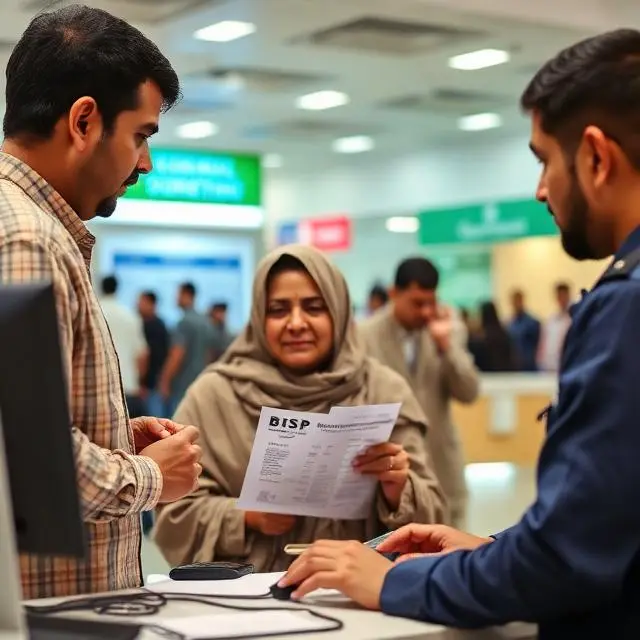
Many households that were previously ineligible have become eligible after updating their information through the Dynamic Survey. Similarly, beneficiaries already receiving payments may be required to complete survey updates to continue receiving assistance.
The purpose of the Dynamic Survey is to collect accurate and up-to-date information about household conditions, income levels, family size, and socio-economic circumstances. This data helps authorities make fair decisions regarding eligibility and financial assistance.
In this complete guide, you will learn everything about the BISP 8171 Dynamic Survey 2026, including its purpose, registration process, required documents, eligibility verification, common mistakes, and frequently asked questions.
What Is the BISP Dynamic Survey?
The Dynamic Survey is a data collection process conducted by BISP to update beneficiary information in the National Socio-Economic Registry (NSER).
The survey records:
- Family size
- Monthly income
- Employment details
- Education information
- Housing conditions
- Utility access
- Asset ownership
- Disability status
- Family dependency information
This information is then used to calculate eligibility for financial assistance programs.
Why Was the Dynamic Survey Introduced?
Over time, household conditions change.
For example:
- A person may lose employment.
- Family income may decrease.
- A widow may become the head of a household.
- Family size may increase.
- Living conditions may change significantly.
The government introduced the Dynamic Survey to ensure that assistance decisions are based on current information rather than outdated records.
This helps improve fairness and transparency.
Objectives of the Dynamic Survey
The survey serves several important purposes.
Update Household Information
The system maintains accurate beneficiary records.
Improve Eligibility Assessment
Authorities can make better decisions using updated data.
Reduce Fraud
Regular updates help identify inaccurate records.
Improve Transparency
Accurate information ensures fair distribution of assistance.
Support Deserving Families
Households experiencing financial hardship can be identified more effectively.
These objectives make the Dynamic Survey a critical part of the BISP system.
Who Should Complete the Dynamic Survey?
The survey may be required for:
- New applicants
- Existing beneficiaries
- Families with changed circumstances
- Individuals requested to update records
- Previously ineligible households seeking reassessment
Completing the survey ensures that records remain accurate and current.
Importance of Accurate Survey Information
Providing accurate information is extremely important.
Incorrect information may:
- Delay approval
- Affect eligibility
- Trigger additional verification
- Cause payment interruptions
Applicants should answer all questions honestly and completely.
Accurate records improve the effectiveness of assistance programs.
Information Collected During the Survey
Survey officials collect detailed household information.
Personal Information
Basic identity details are recorded.
Family Details
Information about household members is collected.
Income Information
Monthly earnings and income sources are assessed.
Employment Status
Authorities review employment conditions.
Educational Information
Education levels of family members may be recorded.
Housing Conditions
Living arrangements and housing quality are evaluated.
Asset Ownership
Ownership of property, vehicles, and other assets may be considered.
This information contributes to the household’s poverty assessment.
Understanding the Poverty Score
One of the most important outcomes of the Dynamic Survey is the calculation of a poverty score.
The poverty score helps determine:
- Eligibility for financial assistance
- Priority status
- Program qualification
Lower scores generally indicate greater financial need.
Authorities use this score when evaluating applications.
Documents Required for the Dynamic Survey
Applicants should prepare the necessary documents before visiting a survey center.
Original CNIC
A valid Computerized National Identity Card is required.
Family Registration Information
Details about household members should be available.
Children’s B-Forms
Required for certain family-related records.
Mobile Number
A working contact number helps receive updates.
Supporting Documentation
Additional records may be requested depending on circumstances.
Bringing complete documentation helps avoid delays.
How to Complete the Dynamic Survey
The process generally involves several steps.
Step 1: Visit an Authorized BISP Center
Applicants should visit an official survey center.
Officials will explain the survey process and review documents.
Step 2: Provide Required Information
Applicants must provide accurate household details.
Survey questions may cover:
- Income
- Family members
- Education
- Housing conditions
- Employment status
Accuracy is essential.
Step 3: Verification Process
Officials verify the information provided.
Additional checks may be conducted when necessary.
Step 4: Database Update
Verified information is entered into the system.
The updated record becomes part of the NSER database.
Step 5: Eligibility Review
Authorities review the updated information to determine eligibility.
Applicants can later check their status through official channels.
How Long Does Survey Processing Take?
Processing times vary.
Factors affecting processing include:
- Verification requirements
- Application volume
- Database updates
- Record complexity
Some records are updated quickly, while others require additional review.
Applicants should monitor status updates regularly.
How to Check Dynamic Survey Status
After completing the survey, applicants can verify status through available methods.
Online Verification
Users can check updates through the official verification system.
SMS Verification
Applicants may use the 8171 service to receive status information.
Regular monitoring helps applicants stay informed about progress.
Common Reasons for Survey Reassessment
Authorities may request updated information for several reasons.
Household Changes
Family circumstances may have changed.
Income Changes
Financial conditions may differ from previous records.
Verification Requirements
Additional checks may be necessary.
Outdated Information
Old records may need updating.
Keeping information current helps prevent unnecessary complications.
Common Mistakes During the Dynamic Survey
Many applicants make avoidable errors.
Providing Incorrect Information
Mistakes can affect eligibility.
Forgetting Important Documents
Missing documentation may delay processing.
Ignoring Survey Requests
Failure to participate can affect assistance status.
Providing Outdated Information
Current circumstances should always be reported.
Misunderstanding Questions
Applicants should seek clarification whenever necessary.
Avoiding these mistakes improves outcomes.
What Happens After Completing the Survey?
After submission, authorities begin reviewing the information.
The process may include:
Data Verification
Records are compared with official databases.
Poverty Assessment
Socio-economic conditions are evaluated.
Eligibility Review
Qualification for assistance programs is assessed.
Status Update
Results become available through official channels.
This process ensures that decisions are based on accurate information.
Benefits of Completing the Dynamic Survey
Participation offers several advantages.
Improved Eligibility Assessment
Current information provides a more accurate evaluation.
Better Access to Assistance
Deserving families may become eligible.
Updated Records
Information remains accurate and relevant.
Reduced Verification Issues
Accurate data helps avoid complications.
Increased Transparency
Authorities can make more informed decisions.
These benefits highlight the importance of survey participation.
Impact of Household Changes on Eligibility
Household circumstances can significantly affect eligibility.
Examples include:
- Loss of employment
- Medical expenses
- Family expansion
- Death of a family member
- Changes in income
Updating records allows authorities to consider these changes appropriately.
How the Dynamic Survey Supports Social Welfare
The survey contributes to more effective assistance programs by:
- Identifying vulnerable households
- Improving data accuracy
- Reducing fraud
- Supporting fair distribution
- Enhancing transparency
These improvements strengthen Pakistan’s social protection system.
Future Improvements in the Dynamic Survey System
Authorities continue improving survey procedures.
Potential enhancements may include:
- Faster processing
- Better digital integration
- Improved data accuracy
- Enhanced accessibility
- More efficient verification systems
These developments aim to improve services for beneficiaries nationwide.
Frequently Asked Questions
What is the purpose of the Dynamic Survey?
The survey updates household information and helps determine eligibility for financial assistance.
Is the survey mandatory?
Some applicants and beneficiaries may be required to complete updates when requested.
What documents are required?
Typically, applicants need a valid CNIC, family information, and supporting records.
How can I check my survey status?
Status information can be verified through official channels and verification systems.
Can survey updates affect eligibility?
Yes. Updated information may change eligibility assessments.
Why is accurate information important?
Incorrect information can lead to delays, verification issues, or eligibility problems.
Conclusion
The BISP 8171 Dynamic Survey 2026 plays a vital role in maintaining accurate beneficiary records and ensuring that financial assistance reaches deserving families. By collecting updated socio-economic information, the survey helps authorities make fair and transparent eligibility decisions.
Applicants should participate whenever required, provide accurate information, maintain updated records, and monitor status updates regularly. As Pakistan continues improving its welfare systems, the Dynamic Survey will remain a key tool for identifying vulnerable households and delivering financial assistance efficiently