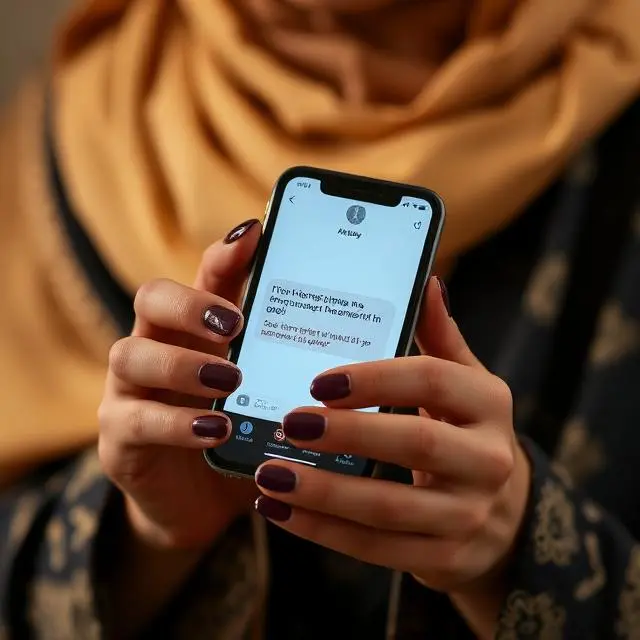
Every year, thousands of people receive fake notifications claiming that they have won additional payments, qualified for special grants, or need to pay fees to receive their installments. Unfortunately, many individuals unknowingly share personal information, CNIC numbers, bank details, or even send money to scammers.
Understanding how these scams work is essential for protecting yourself and your family. This comprehensive guide explains the most common BISP 8171 scams, warning signs, prevention methods, reporting procedures, and practical steps you can take to keep your information secure.
Why BISP Beneficiaries Are Targeted by Scammers
Fraudsters often target welfare programs because they know beneficiaries are waiting for payment updates and eligibility confirmations.
Criminals take advantage of:
- Limited public awareness
- Urgent financial needs
- Lack of digital security knowledge
- Trust in government programs
- Confusion regarding payment schedules
Their goal is usually to steal money, personal information, or identity details.
As digital services continue expanding, awareness becomes increasingly important.
Understanding BISP 8171 Communication Methods
Before discussing scams, it is important to understand how official communication works.
Beneficiaries generally receive information regarding:
- Eligibility status
- Registration updates
- Payment notifications
- Verification requests
- Program announcements
Official information should always be verified through authorized channels.
Understanding legitimate communication methods helps identify suspicious activities more easily.
What Is a BISP Scam?
Scammers often use:
- Fake SMS messages
- Fraudulent phone calls
- Fake websites
- Social media pages
- WhatsApp messages
- Impersonation tactics
Their objective is usually to collect sensitive information or money.
Most Common BISP 8171 Scams in 2026
Fraud methods continue evolving every year.
Below are the most common scams affecting beneficiaries.
Fake SMS Messages
One of the most widespread scams involves fraudulent text messages.
Victims may receive messages claiming:
- Payment has been approved.
- Additional grants are available.
- Verification is required.
- Urgent action is necessary.
The message often includes a suspicious link or phone number.
Scammers hope recipients will respond quickly without verifying authenticity.
Fake Payment Notifications
Fraudsters frequently send messages claiming that a payment has been released.
The message may instruct recipients to:
- Click a link
- Provide CNIC details
- Share banking information
- Pay a processing fee
Legitimate assistance programs do not require beneficiaries to pay unauthorized fees to receive payments.
Fraudulent Phone Calls
Scammers often impersonate government officials.
They may call beneficiaries and claim:
- Your payment is blocked.
- Verification is incomplete.
- Additional information is required.
- A fee must be paid immediately.
These calls are designed to create panic and pressure victims into acting quickly.
Always verify information independently before sharing personal details.
Fake BISP Websites
Cybercriminals frequently create websites that closely resemble legitimate portals.
These websites may request:
- CNIC numbers
- Mobile numbers
- Personal details
- Banking information
- Verification codes
Their goal is to collect information for identity theft or financial fraud.
Always verify website authenticity before entering personal information.
Social Media Scams
Social media platforms have become common tools for fraudsters.
Fake pages often promise:
- Instant approval
- Extra financial assistance
- Guaranteed registration
- Special government grants
These offers are typically designed to attract victims and collect personal information.
Be cautious when interacting with unofficial pages.
WhatsApp Fraud
Many beneficiaries receive WhatsApp messages claiming to represent BISP.
Common tactics include:
- Fake payment screenshots
- Fraudulent registration forms
- Verification requests
- Suspicious download links
Never trust unverified messages simply because they appear professional.
Fake Registration Agents
Some scammers claim they can guarantee registration or approval in exchange for payment.
Victims may be asked to:
- Pay registration fees
- Submit personal documents
- Share CNIC copies
- Transfer money
No legitimate registration process should involve unofficial agents demanding payments.
Identity Theft Risks
Identity theft occurs when criminals collect enough personal information to impersonate someone else.
Information often targeted includes:
- CNIC numbers
- Mobile numbers
- Addresses
- Family details
- Financial information
Identity theft can lead to serious financial and legal complications.
Protecting personal information is essential.
Warning Signs of a Scam
Understanding warning signs can help prevent fraud.
Common red flags include:
Requests for Money
Scammers often demand fees for registration or payments.
Urgent Deadlines
Fraudsters create pressure by claiming immediate action is required.
Suspicious Links
Unknown websites should always be treated cautiously.
Requests for Sensitive Information
Legitimate organizations rarely request confidential information through informal channels.
Unprofessional Communication
Poor grammar and unusual wording may indicate fraudulent activity.
Always verify before responding.
How to Verify Information Safely
Verification is one of the most effective defenses against scams.
Check Official Sources
Always confirm information through authorized channels.
Ignore Unverified Messages
Do not trust random messages or social media posts.
Confirm Payment Status Independently
Use official verification systems rather than third-party services.
Visit Authorized Offices
When in doubt, seek assistance from official representatives.
Taking a few extra minutes to verify information can prevent significant losses.
Protecting Your CNIC Information
Your CNIC is one of your most important personal documents.
Protect it by:
- Avoiding unnecessary sharing
- Storing copies securely
- Verifying requests before submission
- Limiting exposure on social media
- Reporting suspicious activity
A compromised CNIC can be used for identity theft and fraud.
Mobile Security Tips for Beneficiaries
Mobile phones are frequently targeted by scammers.
Protect your device by:
Using Strong Passwords
Secure your phone with a unique password.
Updating Software
Install security updates regularly.
Avoiding Unknown Applications
Only download apps from trusted sources.
Ignoring Suspicious Links
Never click unknown links received through SMS or messaging apps.
Enabling Security Features
Use built-in security settings whenever possible.
These measures reduce the risk of digital fraud.
Internet Safety Best Practices
Online safety is increasingly important.
Follow these recommendations:
- Use secure networks.
- Avoid public Wi-Fi for sensitive activities.
- Verify website authenticity.
- Create strong passwords.
- Keep devices updated.
- Be cautious with downloads.
Simple habits can dramatically improve security.
What to Do If You Become a Victim
If you suspect fraud, act immediately.
Stop Communication
Do not continue interacting with the scammer.
Secure Your Information
Change passwords and secure accounts.
Report the Incident
Notify appropriate authorities.
Monitor Financial Activity
Watch for suspicious transactions.
Inform Family Members
Help prevent others from becoming victims.
Quick action can reduce damage significantly.
How Communities Can Help Prevent Fraud
Fraud prevention is most effective when communities work together.
People should:
- Share scam warnings
- Educate family members
- Assist elderly beneficiaries
- Report suspicious activity
- Promote digital awareness
Community education reduces the success rate of scams.
Importance of Digital Literacy
Digital literacy helps individuals navigate online services safely.
Benefits include:
Better Security Awareness
Users recognize fraud attempts more easily.
Safer Internet Use
People become more cautious online.
Improved Information Verification
False claims are easier to identify.
Stronger Fraud Prevention
Awareness reduces vulnerability.
As digital services expand, digital literacy becomes increasingly important.
Future Fraud Trends
Scammers constantly develop new techniques.
Future threats may include:
- More convincing fake websites
- AI-generated scam messages
- Advanced impersonation attempts
- Sophisticated phishing campaigns
- Social engineering attacks
Staying informed is essential for long-term protection.
Common Myths About BISP Scams
Several misconceptions increase vulnerability.
Myth 1: Scammers Only Target Wealthy People
Anyone can become a victim.
Myth 2: Professional Messages Must Be Legitimate
Scammers often create convincing communications.
Myth 3: Small Information Doesn’t Matter
Even limited information can be valuable to criminals.
Myth 4: Fraud Only Happens Online
Phone calls and in-person scams are also common.
Understanding these myths helps improve awareness.
Frequently Asked Questions
Can scammers use my CNIC information?
Yes. Personal information can be misused for identity-related fraud.
Should I pay fees to receive BISP payments?
Never pay unofficial fees for registration, verification, or payment processing.
Are all social media pages trustworthy?
No. Many fake pages impersonate legitimate organizations.
How can I identify a fake website?
Check authenticity carefully and avoid sharing information on suspicious sites.
What should I do if I receive a suspicious SMS?
Do not click links or share information. Verify the message independently.
Why are beneficiaries frequently targeted?
Fraudsters exploit financial needs and trust in government assistance programs.
Conclusion
As digital services continue expanding, awareness remains the strongest defense against fraud. Beneficiaries should remain vigilant, verify information carefully, protect personal data, and avoid sharing sensitive details with unknown individuals.
Understanding common scam techniques, recognizing warning signs, and following safe online practices can significantly reduce the risk of becoming a victim. By staying informed and cautious, BISP beneficiaries can safely access financial assistance while protecting themselves and their families from fraud in 2026 and beyond.