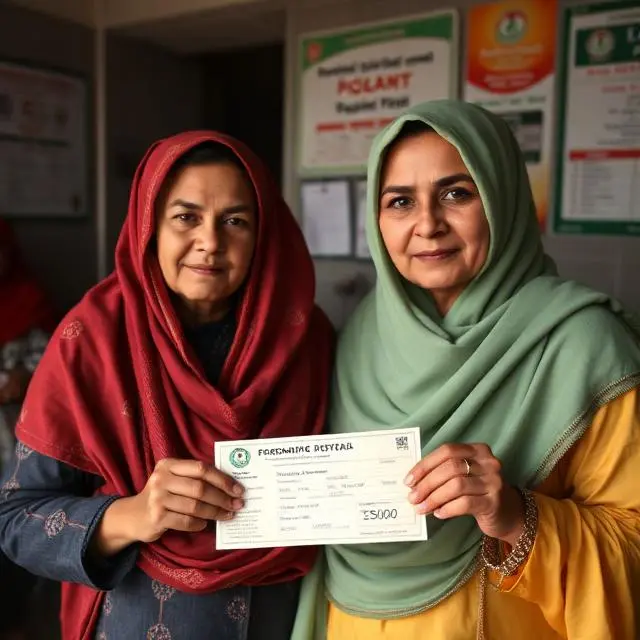
The program aims to support financially vulnerable households by providing cash assistance to deserving families facing economic hardship. Over the years, government welfare initiatives have expanded to improve transparency, accessibility, and support for low-income communities across Pakistan.
Many applicants are often confused about registration requirements, eligibility criteria, payment verification methods, and the role of the 8171 system. Understanding these processes can help families access information more efficiently and avoid common mistakes.
This comprehensive guide explains everything related to the 8171 Ehsaas Program 25000 BISP in 2026, including eligibility requirements, registration procedures, payment checks, verification systems, common issues, and practical solutions.
What Is the 8171 Ehsaas Program 25000 BISP?
The program is a welfare initiative designed to assist low-income households through financial support mechanisms managed under government social protection frameworks.
The primary objectives include:
- Supporting vulnerable families
- Reducing financial hardship
- Improving living conditions
- Enhancing social protection
- Promoting economic stability
- Providing targeted assistance
The program uses socio-economic information to identify deserving beneficiaries.
Purpose of Financial Assistance Programs
Financial assistance programs play an important role in supporting communities during difficult economic conditions.
Benefits include:
Poverty Reduction
Assistance helps families manage essential expenses.
Food Security
Households gain better access to basic necessities.
Educational Support
Families can allocate resources toward children’s education.
Healthcare Access
Financial relief helps cover medical expenses.
Economic Stability
Assistance reduces pressure on household budgets.
These benefits contribute to overall social welfare improvements.
Who Can Apply for Assistance?
Programs generally focus on helping vulnerable households.
Potential applicants may include:
- Low-income families
- Widows
- Female-headed households
- Persons with disabilities
- Unemployed individuals
- Economically disadvantaged citizens
Eligibility is determined through official assessments rather than self-declared information.
Understanding the Eligibility Process
Eligibility verification helps authorities ensure that assistance reaches deserving families.
The assessment may consider:
Household Income
Financial circumstances are reviewed.
Family Size
Larger households may require additional support.
Employment Status
Income sources are evaluated.
Living Conditions
Housing circumstances may influence qualification.
Poverty Score
Socio-economic indicators contribute to eligibility decisions.
Authorities use multiple factors when making assessments.
Role of the NSER Survey
The survey collects information regarding:
- Family composition
- Income sources
- Employment conditions
- Education levels
- Housing conditions
- Asset ownership
This information helps determine eligibility for welfare programs.
Keeping survey information updated is essential.
Documents Required for Registration
Applicants should prepare necessary documentation before applying.
Original CNIC
Identity verification requires a valid CNIC.
Household Information
Family details should be accurate.
Mobile Number
A working contact number helps receive updates.
Family Records
Additional information may be requested depending on circumstances.
Supporting Documentation
Authorities may require further verification records.
Providing complete documentation helps reduce delays.
How Registration Works
The registration process generally involves several stages.
Step 1: Visit an Authorized Registration Center
Applicants provide identification and household information.
Step 2: Submit Required Details
Officials collect relevant socio-economic data.
Step 3: Complete Survey Requirements
Necessary survey information is recorded.
Step 4: Verification Review
Authorities verify submitted information.
Step 5: Eligibility Assessment
Applications are evaluated according to program requirements.
Step 6: Status Notification
Applicants can later verify registration status.
This process helps maintain fairness and transparency.
How to Check Eligibility Status
Applicants can verify status through available verification systems.
Online Verification
Official portals provide eligibility information.
SMS Verification
Applicants can send their CNIC number to 8171.
Both methods provide convenient access to updates.
How to Check Payment Status
Payment verification is one of the most frequently used services.
Beneficiaries can monitor:
- Payment approvals
- Installment releases
- Verification status
- Distribution updates
Regular monitoring helps applicants stay informed.
Understanding Payment Status Responses
The system may display different payment-related messages.
Payment Released
Funds are available for collection.
Payment Approved
The installment has been authorized.
Under Verification
Authorities are still reviewing information.
Payment Pending
Processing is ongoing.
Ineligible
Current records do not qualify.
Understanding these responses helps applicants take appropriate action.
Common Reasons Applications Are Delayed
Processing delays occasionally occur.
Possible causes include:
Incomplete Information
Missing details may require additional review.
Verification Issues
Authorities may need more time to confirm records.
Survey Updates
Additional information may be required.
Database Processing
Technical updates can affect timelines.
Record Inconsistencies
Conflicting information may trigger investigations.
Most delays can be resolved through proper verification procedures.
Importance of Accurate Information
Providing accurate information improves processing outcomes.
Applicants should ensure:
- Correct CNIC details
- Updated household records
- Accurate income information
- Current contact details
- Complete survey responses
Accurate records reduce delays and verification problems.
Biometric Verification and Payment Collection
Many assistance programs use biometric verification to improve security.
Benefits include:
Identity Confirmation
Payments reach the correct beneficiaries.
Fraud Prevention
Unauthorized claims are reduced.
Better Transparency
Verification improves accountability.
Secure Distribution
Financial assistance is protected from misuse.
Biometric systems remain an important component of payment distribution.
Common Biometric Verification Problems
Some beneficiaries encounter verification issues.
Possible causes include:
- Fingerprint mismatches
- Technical difficulties
- Database inconsistencies
- Outdated records
Most problems can be resolved through authorized support channels.
How to Avoid Common Registration Mistakes
Applicants can improve their experience by avoiding common errors.
Verify Information Carefully
Review all submitted details.
Keep Records Updated
Report household changes promptly.
Participate in Surveys
Complete all requested updates.
Monitor Status Regularly
Stay informed about application progress.
Use Official Sources
Avoid unofficial websites and services.
These practices improve application outcomes.
How Technology Improves Welfare Services
Digital systems have transformed welfare administration.
Benefits include:
Faster Processing
Information becomes available more quickly.
Improved Accuracy
Automation reduces administrative errors.
Enhanced Accessibility
Services reach more citizens nationwide.
Better Transparency
Applicants can monitor status directly.
Stronger Security
Verification systems help prevent fraud.
Technology continues improving service delivery across Pakistan.
Future Improvements in Welfare Programs
Authorities continue modernizing assistance systems.
Potential developments include:
- Faster eligibility assessments
- Improved digital services
- Enhanced fraud prevention
- Better database integration
- More efficient payment distribution
These improvements aim to provide better experiences for beneficiaries.
Frequently Asked Questions
What is the 8171 Ehsaas Program 25000 BISP?
It is a welfare-related assistance initiative that supports vulnerable households through financial assistance programs.
How can I check my eligibility?
Eligibility can generally be verified through official online systems and SMS services.
What documents are required?
Applicants typically need a valid CNIC and accurate household information.
Why is my application under verification?
Authorities may still be reviewing submitted records.
Can I check payment status online?
Yes. Payment information is generally available through official verification systems.
Why is the NSER survey important?
Survey information helps authorities determine eligibility and qualification.
Conclusion
The 8171 Ehsaas Program 25000 BISP 2026 remains an important source of information for families seeking financial assistance and welfare support. Understanding eligibility requirements, registration procedures, verification methods, and payment systems can help applicants navigate the process more effectively.
By maintaining accurate records, participating in required surveys, monitoring verification updates, and relying only on official information channels, applicants can improve their chances of a smooth and successful experience with government assistance programs.