How to Choose a Freight Mode: Air, Ocean and Road Compared
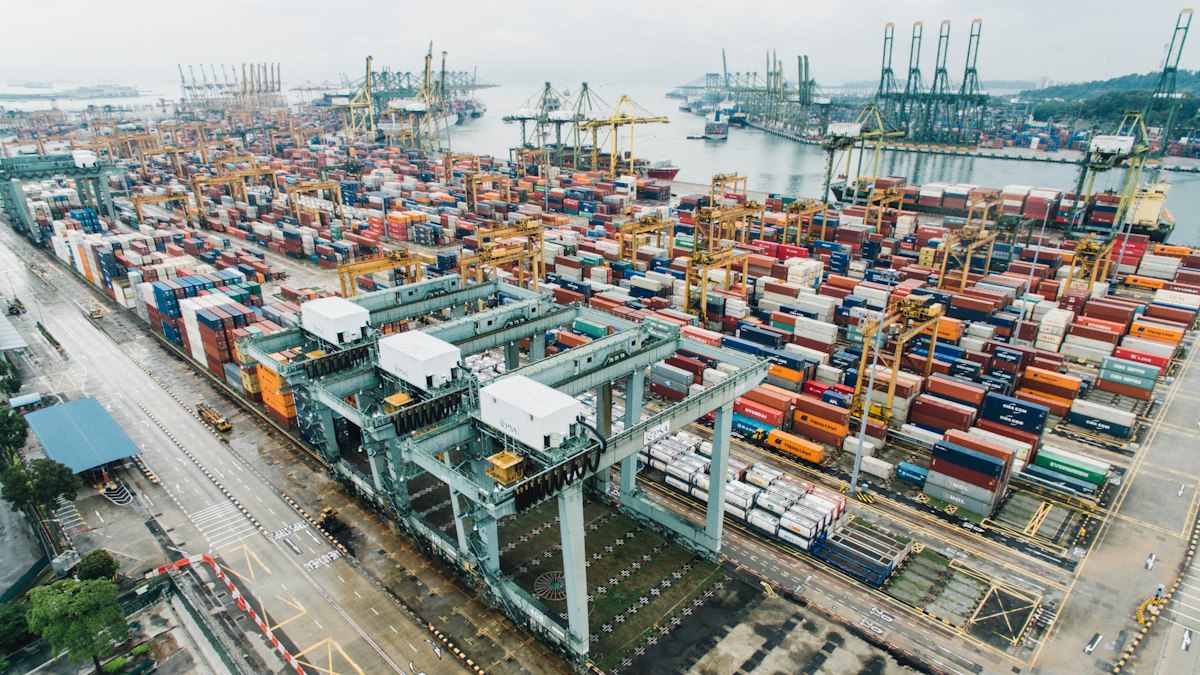
Every international shipment starts with the same question: should this cargo fly, sail or roll? The answer shapes your lead time, your landed cost and the level of risk you carry from origin to destination.
There is no single best mode. The right choice depends on the value and weight of your goods, how urgently they are needed, how fragile or perishable they are, and how much margin you can spare. This guide breaks down the options and gives you a repeatable way to decide.
Why Freight Mode Matters
Freight is rarely a line item you can ignore. For many imported goods, transport can account for ten to thirty percent of total landed cost, and transit time directly affects your cash flow and your ability to keep customers stocked.
Choosing the wrong mode usually means one of two failures: paying air freight for cargo that could have gone by sea, or watching a promising sale collapse because ocean transit arrived too late. Getting the mode right is a core sourcing skill.
The Three Core Modes at a Glance
| Mode | Typical Transit | Best For | Cost Level |
|---|---|---|---|
| Air freight | 1-7 days | High value, urgent, perishable or lightweight goods | Highest |
| Ocean freight | 15-45 days | Heavy, bulky or low-margin cargo in volume | Lowest per unit |
| Road and rail | 1-20 days | Regional, cross-border and inland moves | Mid-range |
Air Freight: Speed at a Price
Air freight is the premium option for a reason. A shipment that takes four weeks by sea can arrive in three days by air, which lets importers hold less inventory and react quickly to demand spikes.
The trade-off is cost. Air freight is charged largely by chargeable weight, which means lightweight but bulky packages pay a penalty. It also carries stricter limits on hazardous materials and battery products, so not every product can fly.
Ocean Freight: The Workhorse of Global Trade
More than eighty percent of world trade by volume moves by sea. Container shipping is dramatically cheaper per unit than air, which is why it dominates commodity, machinery, furniture and consumer goods lanes.
Ocean freight comes in two flavours. Full container load (FCL) means you book an entire container, while less than container load (LCL) shares space with other shippers. FCL is usually cheaper per unit once you fill a significant share of a container.
Road and Rail: The Overland Connectors
For regional trade, trucks and trains often beat both air and sea. Road freight is flexible and door-to-door, while rail freight connects inland manufacturing hubs to ports and offers a middle ground between truck and ocean on cost and emissions.
Cross-border trucking is central to trade within North America and Europe, while rail corridors such as the China-Europe railway link have become a reliable option for goods that need to move faster than sea but cheaper than air.
How to Compare Cost and Speed
Price and speed pull in opposite directions, so a useful method is to calculate the cost of time. If holding inventory ties up capital or stockouts cost you sales, faster transit may pay for itself even at a higher freight rate.
- Estimate the freight cost for each mode on a like-for-like basis.
- Add inventory carrying cost during transit.
- Quantify the value of faster delivery to your customer.
- Weigh reliability and schedule frequency, not just headline speed.
Matching the Mode to Your Cargo
Cargo characteristics should filter your options before price does. Perishable and high-value items favour air, while dense and low-value items almost always belong on a vessel or a train.
Fragile goods may also benefit from air freight simply because fewer handling steps and a shorter journey reduce damage. Oversized or extremely heavy cargo, by contrast, usually must travel by sea or rail regardless of urgency.
Multimodal and Intermodal Options
Most international moves are not single-mode. A container might travel by truck to a port, by ship across an ocean, and by rail to an inland depot. Multimodal transport uses one contract and one carrier to manage several legs.
Intermodal shipping uses standard containers that transfer easily between truck, rail and vessel. It combines the low cost of ocean or rail haul with the door-to-door convenience of trucking, often with fewer customs touches along the way.
A Simple Decision Framework
When you face a shipment decision, walk through these questions in order. They will usually narrow the choice to one or two realistic modes.
- How urgent is delivery, and what does a late arrival cost?
- What is the value per kilogram of the goods?
- Is the cargo perishable, hazardous, fragile or oversized?
- What is the total weight and volume, and does it fill a container?
- Which lanes and schedules are reliable from your origin?
- What is the full landed cost of each candidate mode?
Final Takeaway
Freight mode selection is a balancing act between money, time and risk. Air wins when speed and value density justify the cost, ocean wins when volume and margin favour patience, and road or rail fills the gaps between them.
The disciplined importer builds a cost-and-time model for each lane and revisits it as rates and lead times change. A good freight decision is not a guess; it is a calculation you can defend.
This is an independent informational guide and does not constitute logistics or trade advice. Confirm rates, transit times and restrictions with your freight forwarder or carrier.