Customs Broker Guide: What Brokers Do and How to Choose One
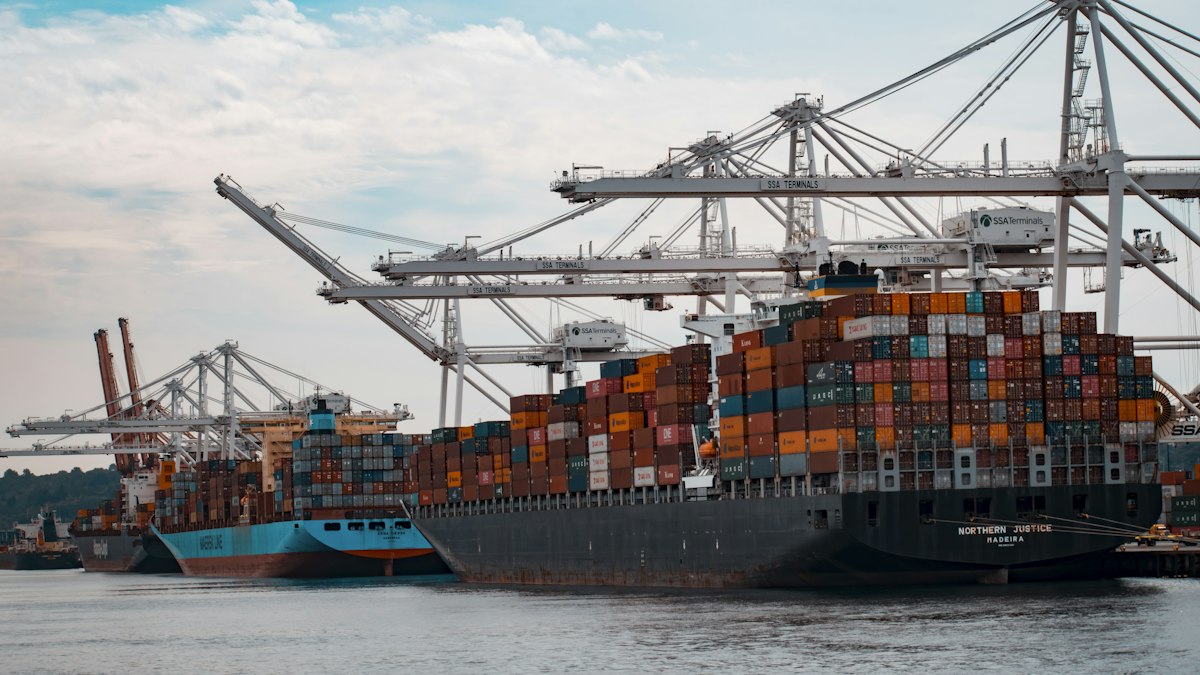
Customs clearance is where a smooth shipment becomes a stalled one. A single classification error, a missing certificate or a mismatched invoice can hold your cargo at the border for days and pile up storage charges.
Most importers and exporters rely on a customs broker to handle the paperwork and the formalities. Understanding what brokers do, how they are paid and how to choose one is a practical skill for anyone moving goods across borders.
What a Customs Broker Does
A customs broker acts as your licensed intermediary with the customs authority. They prepare and submit entry declarations, calculate duties and taxes, and represent you in communication with customs officials.
Brokers also advise on the practical side of clearance: which documents are required, how goods should be classified, and what free trade preferences or reliefs might apply to a particular shipment.
When You Need a Broker
You are not always required to use a broker, and some experienced importers self-file for simple, repeat shipments. But most businesses find that a broker pays for itself once shipments become frequent, diverse or regulated.
- You import across many product categories and HS codes.
- Your goods are subject to licensing, quotas or anti-dumping duties.
- You ship to countries with unfamiliar documentation rules.
- Your internal team lacks dedicated customs expertise.
How Brokers Are Licensed and Regulated
Licensing requirements vary by country, but in many jurisdictions brokers must pass exams, hold a license and meet ongoing standards. In the United States, for example, customs brokers are licensed by CBP and must demonstrate expertise in entry procedures and regulations.
Using a licensed broker matters because the broker carries professional obligations and, in some systems, can be held accountable for errors. Unlicensed intermediaries may simply be forwarding paperwork without the same accountability.
What a Broker Needs From You
A broker cannot clear cargo without the right inputs. Before goods arrive, provide the commercial invoice, packing list, transport document and any certificates of origin or permits that apply to your products.
The quality of what you give the broker determines the quality of the entry. Incomplete or contradictory paperwork forces the broker to guess or to pause and ask questions while the clock on your free storage time runs down.
How Brokers Charge
Brokers typically earn revenue through a mix of fees. Understanding the structure helps you compare quotes fairly and avoid surprises when an invoice arrives.
| Charge | What It Covers |
|---|---|
| Entry or clearance fee | The broker's fee for preparing and filing the declaration. |
| Disbursements | Duties, taxes and fees the broker pays on your behalf. |
| Inspection or exam fees | Costs passed through when customs examines your cargo. |
| Courier and admin fees | Document handling and miscellaneous services. |
Questions to Ask Before You Choose
Not all brokers are equal, and the cheapest quote can hide the weakest service. A short due-diligence conversation will reveal whether a broker is a fit for your cargo profile and your destinations.
- Are you licensed in the countries where I clear goods?
- What experience do you have with my product categories?
- How do you price entries, and what is included?
- How will you notify me of issues or holds?
- Can you support preferential duty claims such as FTAs?
- What technology do you use for documents and status?
Classification: Where Brokers Add the Most Value
The HS code assigned to your product determines the duty rate and whether quotas, licences or anti-dumping measures apply. A small classification error can mean overpaying duty or, worse, a compliance problem discovered years later.
A good broker understands the binding rulings, explanatory notes and past practice that turn a close call into a defensible classification. This is one area where expertise genuinely changes what you pay.
Avoiding Common Clearance Problems
Most clearance delays are predictable. They come from vague descriptions, incorrect values, missing origin documents or goods that arrive before the paperwork is ready.
- Describe goods specifically, never as generic “parts” or “supplies”.
- Declare a supportable transaction value.
- Prepare certificates of origin before the shipment sails.
- Submit documents to your broker as early as possible.
- Keep a record of past entries for consistency.
Final Takeaway
A customs broker is your advocate inside the clearance process. Choose a licensed broker who understands your products, price transparency over rock-bottom fees, and give them complete paperwork early.
Even with a broker, the importer of record remains responsible for the accuracy of the entry. A strong broker reduces the risk and the friction, but the compliance obligation ultimately stays with you.
This is an independent informational guide and does not constitute customs or legal advice. Confirm broker licensing and entry requirements with the relevant customs authority.