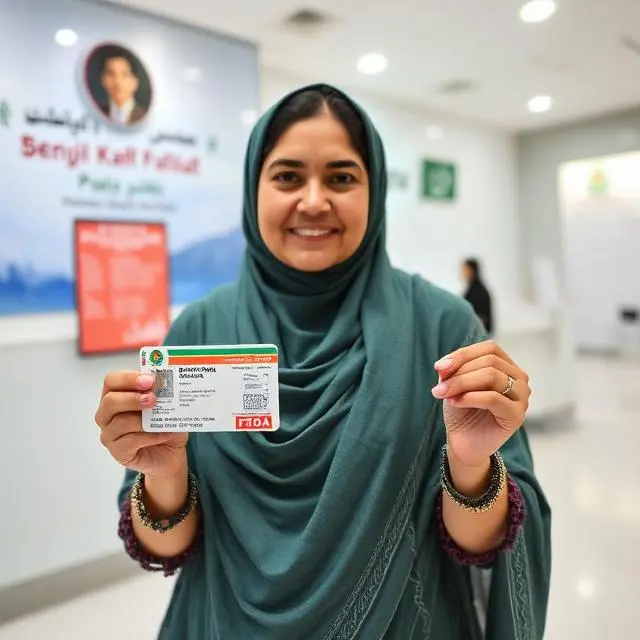
Millions of women benefit from this program every year. The initiative focuses on empowering women by providing direct financial assistance, helping families meet basic needs such as food, healthcare, education, and household expenses.
As the program continues to expand in 2026, many citizens are searching for information regarding eligibility, registration procedures, payment methods, and status verification. This guide covers everything you need to know about the Benazir Kafalat Program.
What Is the Benazir Kafalat Program?
The program aims to:
- Reduce poverty
- Improve living standards
- Support vulnerable families
- Empower women financially
- Promote social welfare
- Enhance economic stability
The government uses socio-economic data to identify deserving households and distribute assistance fairly.
Objectives of the Benazir Kafalat Program
The program serves several important purposes.
Poverty Reduction
Financial assistance helps families manage essential expenses.
Women’s Empowerment
Women receive direct financial support, increasing their role in household decision-making.
Economic Stability
Regular assistance helps families maintain a basic standard of living.
Social Protection
The program supports vulnerable segments of society.
Improved Access to Essential Services
Beneficiaries can better afford education, healthcare, and nutrition.
These objectives contribute to long-term social and economic development.
Who Can Benefit from the Program?
The program primarily targets financially vulnerable households.
Potential beneficiaries may include:
- Low-income families
- Widows
- Female-headed households
- Persons with disabilities
- Unemployed individuals
- Economically disadvantaged citizens
Eligibility is determined through official verification procedures and socio-economic assessments.
Importance of the Program in Pakistan
Pakistan faces various economic challenges that affect vulnerable households.
The Benazir Kafalat Program helps by:
- Providing direct financial support
- Reducing financial stress
- Supporting household budgets
- Improving food security
- Encouraging social inclusion
For many families, the assistance serves as a vital source of financial relief.
Eligibility Criteria for the Benazir Kafalat Program
Eligibility is based on several socio-economic factors.
Authorities may evaluate:
Household Income
Lower-income families are prioritized.
Family Size
Household composition may influence eligibility.
Employment Status
Income sources are considered during assessment.
Poverty Score
Socio-economic indicators contribute to qualification decisions.
Living Conditions
Housing and household circumstances may be reviewed.
Meeting these conditions does not automatically guarantee approval because all applications undergo verification.
Role of the NSER Survey
The National Socio-Economic Registry (NSER) survey is one of the most important components of eligibility assessment.
The survey collects information about:
- Household members
- Income sources
- Employment status
- Education levels
- Housing conditions
- Asset ownership
Authorities use this data to calculate poverty scores and determine qualification.
Keeping survey information updated is extremely important.
Required Documents for Registration
Applicants should prepare necessary documentation before beginning the registration process.
Original CNIC
A valid Computerized National Identity Card is required.
Family Information
Accurate household details should be available.
Mobile Number
A working contact number helps receive updates.
Children’s Documents
Additional family records may be required in some cases.
Supporting Records
Authorities may request additional documents depending on circumstances.
Complete documentation helps prevent delays.
How to Register for the Benazir Kafalat Program
Registration generally involves several steps.
Step 1: Visit an Authorized Registration Center
Applicants should visit an official registration center.
Step 2: Submit Required Information
Household details and identification records must be provided.
Step 3: Complete the NSER Survey
Socio-economic information is collected for assessment.
Step 4: Verification Process
Authorities review submitted information.
Step 5: Eligibility Assessment
Applications are evaluated according to program criteria.
Step 6: Status Confirmation
Applicants can later verify their registration status.
This process helps ensure fair and accurate beneficiary selection.
How to Check Eligibility Status
Applicants can verify their eligibility through available verification methods.
Online Verification
Users can check status through official verification systems.
SMS Verification
Applicants may send their CNIC number to 8171 to receive updates.
Both methods provide convenient access to eligibility information.
Understanding Eligibility Results
Applicants may receive different responses after verification.
Eligible
Current records indicate qualification for assistance.
Ineligible
Available information does not meet eligibility requirements.
Under Verification
Authorities are still reviewing records.
Data Not Found
Information may not yet be available in the database.
Understanding these responses helps applicants take appropriate action.
Payment Structure of the Benazir Kafalat Program
Approved beneficiaries receive financial assistance according to official payment schedules.
The payment process generally includes:
- Beneficiary verification
- Payment approval
- Fund allocation
- Distribution through authorized channels
Beneficiaries should regularly check status updates to remain informed.
Payment Verification Methods
Beneficiaries can verify payment information through several methods.
CNIC Verification
Check status using the official verification system.
SMS Service
Send your CNIC number to 8171.
Authorized Centers
Visit official offices for assistance if necessary.
These methods help beneficiaries monitor payment progress.
Common Reasons Payments Are Delayed
Several factors may affect payment timelines.
Verification Reviews
Additional checks may be required.
Survey Updates
Updated household information may be necessary.
Database Processing
Technical updates occasionally cause delays.
Biometric Verification Issues
Fingerprint verification problems may affect collection.
Most delays can be resolved through proper verification procedures.
Importance of Biometric Verification
Biometric verification helps ensure secure payment distribution.
Benefits include:
Identity Confirmation
Payments reach the correct beneficiaries.
Fraud Prevention
Unauthorized claims are reduced.
Increased Transparency
Verification strengthens accountability.
Secure Distribution
Funds are protected from misuse.
Biometric systems play a major role in maintaining program integrity.
How Women Benefit from the Program
The Benazir Kafalat Program places significant emphasis on women’s empowerment.
Benefits include:
Greater Financial Independence
Women receive direct financial support.
Improved Household Welfare
Funds often contribute to family needs.
Better Educational Opportunities
Families can invest more in children’s education.
Enhanced Healthcare Access
Financial support helps cover medical expenses.
Increased Economic Participation
Women gain greater involvement in household decision-making.
These outcomes contribute to broader social development.
Common Mistakes Applicants Should Avoid
Many applicants experience delays because of avoidable errors.
Providing Incorrect Information
Accuracy is essential during registration.
Using Outdated Records
Keep household information current.
Ignoring Survey Requests
Participate in required updates.
Missing Verification Steps
Complete all requested procedures.
Relying on Unofficial Sources
Use only authorized information channels.
Avoiding these mistakes improves the application experience.
How Technology Improves Program Delivery
Digital systems have significantly improved welfare administration.
Benefits include:
Faster Verification
Information becomes available more quickly.
Better Accuracy
Automation reduces errors.
Improved Accessibility
Services reach more citizens nationwide.
Enhanced Transparency
Applicants can monitor progress directly.
Stronger Security
Verification systems help prevent fraud.
Technology continues improving service delivery throughout Pakistan.
Future Developments in the Kafalat Program
Authorities continue enhancing welfare services.
Potential future improvements include:
- Faster payment processing
- Improved digital access
- Enhanced fraud prevention
- Better database integration
- More efficient verification systems
These developments aim to provide better experiences for beneficiaries.
Frequently Asked Questions
What is the Benazir Kafalat Program?
It is a financial assistance initiative that supports eligible low-income families, particularly women.
Who can apply?
Low-income households and vulnerable families may qualify based on official assessments.
How is eligibility determined?
Authorities evaluate socio-economic conditions, household information, and poverty scores.
How can I check my status?
Status can be verified through official online systems or SMS services.
Why is the NSER survey important?
The survey provides data used to assess eligibility and determine qualification.
What should I do if my application is under verification?
Continue monitoring updates and ensure records remain accurate.
Conclusion
The Benazir Kafalat Program 2026 remains one of Pakistan’s most important social protection initiatives. By providing financial assistance to deserving families, particularly women, the program helps reduce poverty, improve living standards, and strengthen household financial stability.
Applicants should ensure that their information remains accurate, participate in required surveys, monitor verification updates regularly, and rely only on official sources for information. Understanding the registration process, eligibility criteria, and payment system can help beneficiaries access support more efficiently and avoid unnecessary delays.