BISP 8171 CNIC Verification 2026 – Complete Guide
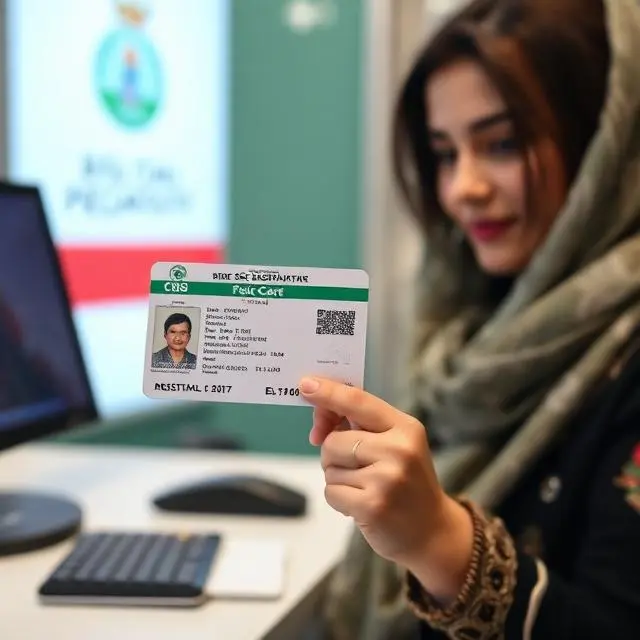
With millions of beneficiaries across Pakistan, accurate identity verification helps maintain transparency, reduce fraud, and improve the overall efficiency of welfare distribution. The CNIC verification process allows authorities to confirm personal information, validate eligibility, and ensure that payments are released only to deserving families.
Many applicants experience delays because they do not fully understand how verification works. Some enter incorrect information, while others fail to update their records after changes in household circumstances. Understanding the complete verification process can help applicants avoid these problems and improve their chances of receiving assistance.
This detailed guide explains everything about BISP 8171 CNIC verification in 2026, including how it works, why it is important, common verification problems, solutions, payment verification, and best practices for maintaining accurate records.
What Is BISP 8171 CNIC Verification?
The verification process helps authorities:
- Confirm applicant identity
- Prevent fraud
- Verify household records
- Assess eligibility
- Process payments
- Maintain accurate databases
Without successful verification, beneficiaries may not be able to receive financial assistance.
Why CNIC Verification Is Important
Identity verification serves several important purposes.
Fraud Prevention
Verification prevents unauthorized individuals from receiving benefits.
Accurate Record Keeping
Government databases remain current and reliable.
Eligibility Assessment
Authorities use verified information when determining qualification.
Secure Payment Distribution
Payments are delivered to the correct beneficiaries.
Transparency
Verification improves trust in the welfare system.
These benefits make CNIC verification an essential part of the BISP program.
How the CNIC Verification System Works
The verification system compares applicant information with official government records.
The process generally includes:
Identity Matching
Personal information is reviewed.
Database Verification
Records are compared with available databases.
Eligibility Review
Authorities assess qualification requirements.
Final Confirmation
Verification results are recorded in the system.
Status Update
Applicants can later check their verification status.
This process helps ensure fairness and accuracy.
Who Needs CNIC Verification?
Verification may be required for:
- New applicants
- Existing beneficiaries
- Individuals updating records
- Applicants completing surveys
- Beneficiaries receiving payments
- Households undergoing reassessment
Proper verification helps maintain eligibility and payment continuity.
Benefits of Successful Verification
Applicants who complete verification successfully may gain access to several advantages.
Faster Eligibility Processing
Verified records can be reviewed more efficiently.
Payment Approval
Payments can be released after verification.
Reduced Delays
Accurate records prevent unnecessary complications.
Better Access to Services
Beneficiaries can use verification systems more effectively.
Improved Record Accuracy
Household information remains current.
These benefits contribute to a smoother application experience.
How to Verify CNIC Through the 8171 System
Applicants can generally verify information using available verification methods.
Step 1: Access the Verification System
Open the official verification platform.
Step 2: Enter CNIC Number
Provide your 13-digit CNIC number carefully.
Step 3: Complete Security Verification
Enter the displayed verification code.
Step 4: Submit Information
Submit your details for review.
Step 5: Check Status
Review the verification result displayed by the system.
This process usually takes only a few minutes.
Verification Through SMS
Applicants without internet access may use SMS verification.
SMS Procedure
- Open the messaging application.
- Type your CNIC number.
- Send it to 8171.
- Wait for the response.
The reply will provide information regarding eligibility and verification status.
This method remains popular in rural areas.
Understanding Verification Status Results
After verification, the system may display different responses.
Verified
Your identity has been successfully confirmed.
Under Verification
Additional review is still in progress.
Verification Required
Further action may be necessary.
Data Not Found
Your information may not yet exist in the database.
Ineligible
Current records do not meet eligibility requirements.
Understanding these results helps applicants know what to do next.
Common Reasons Verification Fails
Many applicants encounter verification problems.
Common causes include:
Incorrect CNIC Information
Typing errors frequently cause failures.
Outdated Records
Old information may not match current circumstances.
Survey Issues
Incomplete surveys can affect verification.
Missing Documentation
Required information may be unavailable.
Database Mismatches
Different records may contain conflicting information.
Identifying the cause helps resolve issues more quickly.
How to Resolve Verification Problems
Applicants facing difficulties should consider several solutions.
Review Information Carefully
Double-check all entered details.
Update Records
Correct outdated information.
Complete Required Surveys
Participate in any requested updates.
Verify Documentation
Ensure all records are accurate.
Seek Assistance
Visit an authorized office if necessary.
Prompt action can significantly reduce delays.
Importance of Accurate Household Information
Verification depends heavily on household records.
Important details include:
- Family size
- Income information
- Employment status
- Contact information
- Housing conditions
Keeping this information accurate improves verification outcomes.
Role of the NSER Survey in Verification
The National Socio-Economic Registry (NSER) survey plays a major role in determining eligibility.
The survey collects information regarding:
Household Income
Financial conditions are evaluated.
Family Members
Household composition is reviewed.
Employment Status
Income sources are considered.
Living Conditions
Housing circumstances are assessed.
Asset Ownership
Property and assets may affect eligibility.
Authorities use this information during verification.
CNIC Verification and Payment Approval
Verification is closely connected to payment processing.
Before payments are released:
- Identity must be confirmed.
- Eligibility must be verified.
- Records must be accurate.
- Database reviews must be completed.
Successful verification helps ensure smooth payment distribution.
Why Beneficiaries Should Update Records Regularly
Many applicants forget to report important household changes.
Examples include:
Marriage
Family circumstances may change.
Change of Address
Contact information should remain current.
Employment Changes
Income variations may affect eligibility.
Family Expansion
New household members should be reported.
Death of a Family Member
Records should be updated accordingly.
Keeping information current improves system accuracy.
Biometric Verification and CNIC Authentication
In some situations, beneficiaries may also undergo biometric verification.
Biometric systems help:
- Confirm identity
- Prevent fraud
- Secure payments
- Improve transparency
Fingerprint verification is commonly used during payment collection.
Common Biometric Verification Problems
Some beneficiaries experience difficulties during biometric checks.
Possible reasons include:
- Fingerprint quality issues
- Database inconsistencies
- Technical problems
- Outdated records
Most problems can be resolved through official procedures.
How Technology Improves Verification
Modern digital systems provide significant benefits.
Faster Processing
Information becomes available more quickly.
Better Accuracy
Automated systems reduce errors.
Improved Security
Verification measures protect beneficiaries.
Enhanced Transparency
Applicants can monitor status updates.
Better Accessibility
Services are available nationwide.
Technology continues to improve welfare delivery systems.
Protecting Your CNIC Information
Identity protection is extremely important.
Follow these recommendations:
Do Not Share Sensitive Information
Only provide details when necessary.
Verify Requests
Confirm authenticity before responding.
Protect Physical Documents
Store important records securely.
Monitor Personal Information
Watch for suspicious activity.
Use Official Channels
Avoid unofficial verification services.
These steps help reduce fraud risks.
Common Mistakes Applicants Should Avoid
Many verification delays result from avoidable mistakes.
Entering Incorrect Numbers
Always verify information before submission.
Ignoring Survey Updates
Participate in required surveys.
Failing to Update Records
Keep information current.
Using Unofficial Sources
Rely only on authorized systems.
Missing Verification Requests
Respond promptly to official notifications.
Avoiding these mistakes improves verification success.
Future Improvements in Verification Systems
Authorities continue investing in digital modernization.
Potential future enhancements include:
- Faster verification processing
- Improved database integration
- Better mobile services
- Enhanced fraud prevention
- More accurate eligibility assessments
These developments aim to improve the beneficiary experience.
Frequently Asked Questions
What is BISP 8171 CNIC Verification?
It is the process used to confirm identity and determine eligibility for assistance programs.
Why is verification important?
Verification prevents fraud and ensures that assistance reaches deserving beneficiaries.
Can I verify my CNIC online?
Yes. Verification can generally be completed through official systems.
What should I do if verification fails?
Review information, update records, and complete any required surveys.
Does verification affect payment approval?
Yes. Successful verification is usually necessary before payments are released.
Why should I update my records?
Updated information improves accuracy and reduces delays.
Conclusion
The BISP 8171 CNIC Verification process is a critical part of Pakistan’s welfare system. It ensures that financial assistance reaches deserving households while maintaining transparency, security, and accountability.
Applicants should keep their information accurate, participate in required surveys, respond to verification requests promptly, and regularly check their status through official channels. By understanding the verification process and avoiding common mistakes, beneficiaries can improve their chances of receiving timely financial assistance and maintaining uninterrupted access to program benefits.